
Quick answer
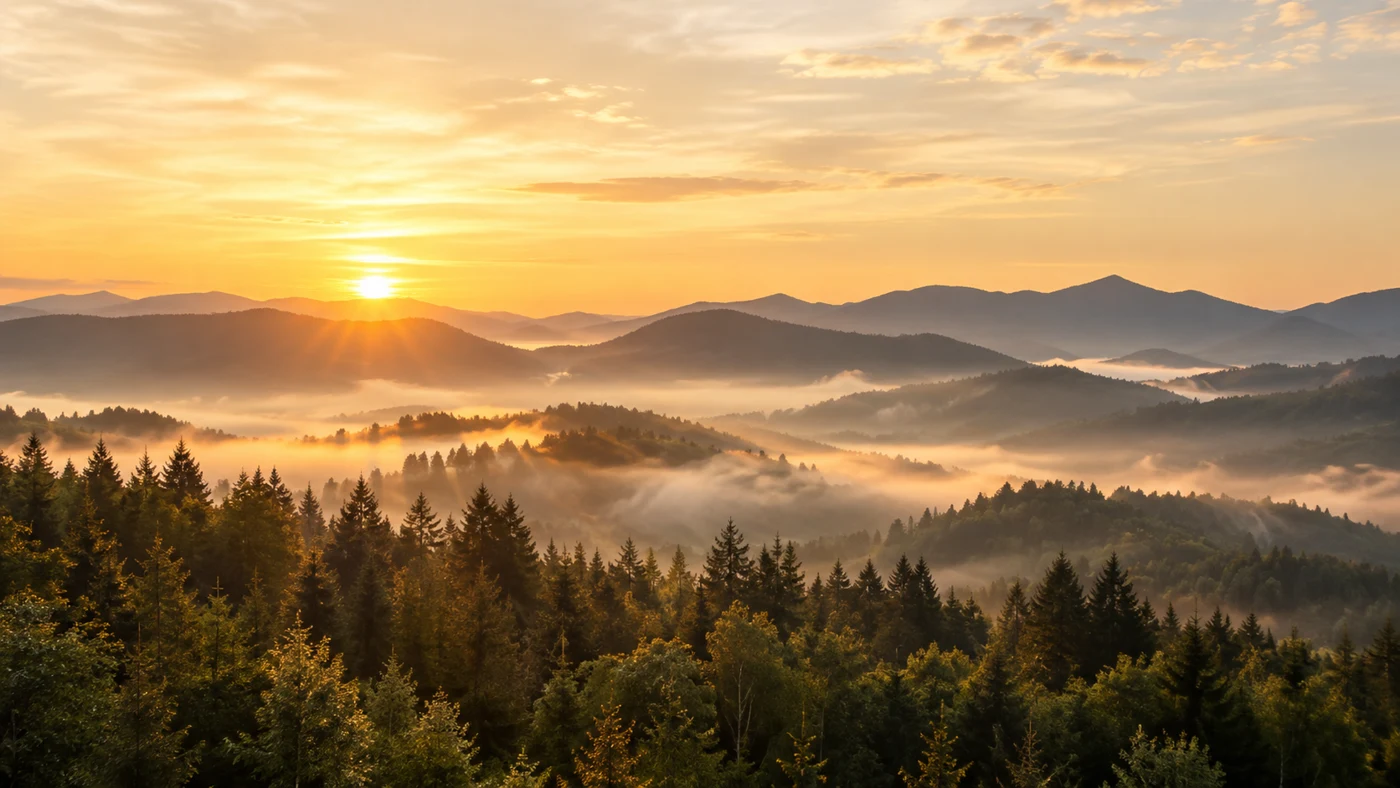
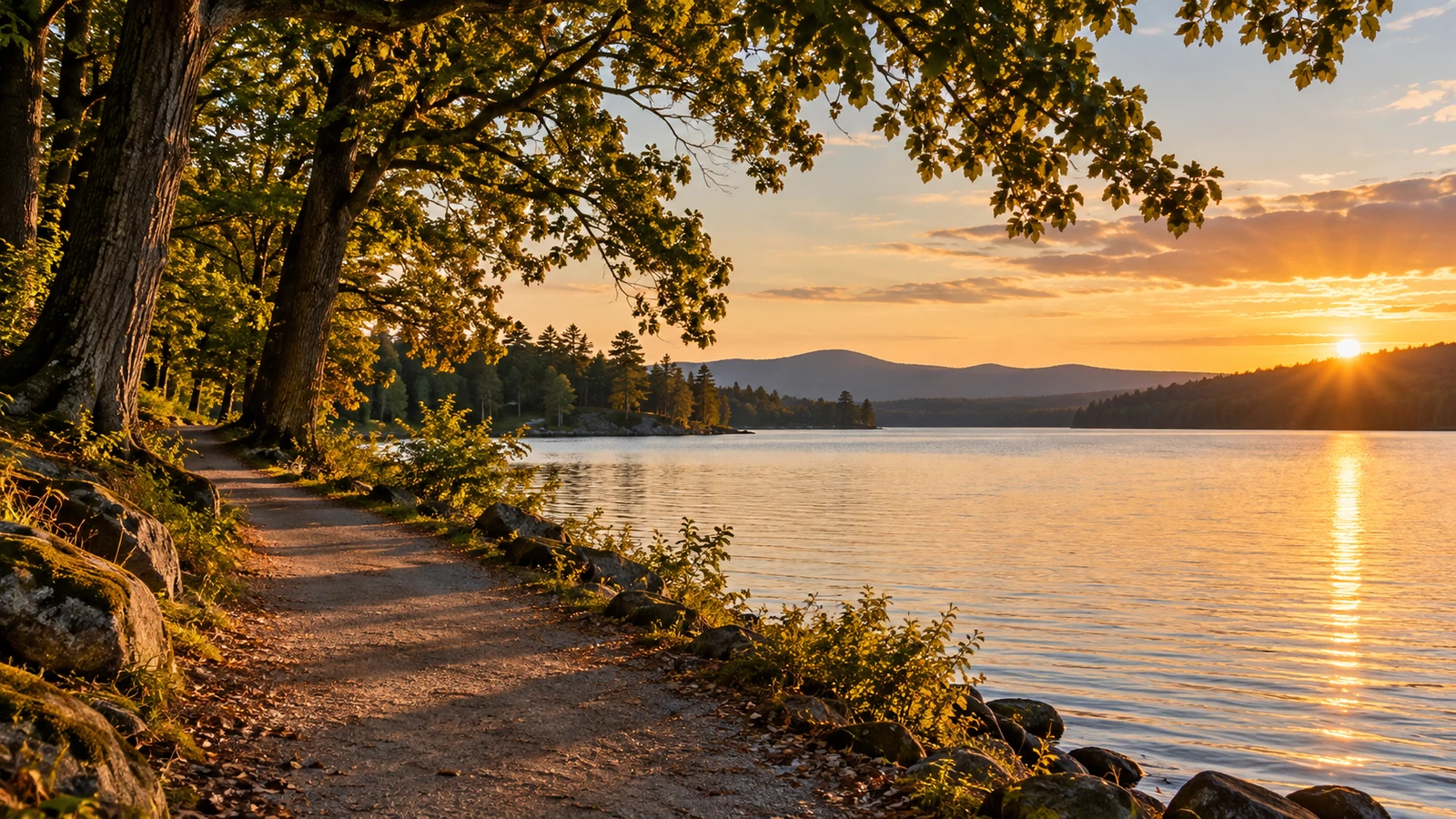
Golden hour is the period of low, warm sunlight around sunrise and sunset that photographers often favor. Its duration varies with location, season, and the definition used.
A calculated window estimates the Sun’s position; it cannot guarantee golden light.
Why the light looks different
When the Sun is low, its light travels through a longer path in the atmosphere. More of the shorter blue wavelengths are scattered out of the direct beam, so the sunlight reaching a scene often looks warmer.
The low angle creates long shadows and can give faces and landscapes gentler-looking light than harsh midday sun. Direct sunlight can still produce crisp shadows or glare: “soft” is a photographic description, not a guarantee that every scene will have low contrast.
Common misunderstanding
- “Golden hour lasts exactly 60 minutes.” It can be shorter or longer; latitude, season, and the chosen solar-angle range matter.
- “The listed time guarantees a golden photograph.” Thick cloud, a blocked horizon, or the direction of your subject can change the result.
Golden hour versus blue hour
For an evening outing, think of a changing sequence rather than two fixed appointments. In the morning, the sequence runs the other way around.

Golden hour
Warm low-angle light near sunrise or sunset; useful for texture, portraits, and long shadows.

Blue hour
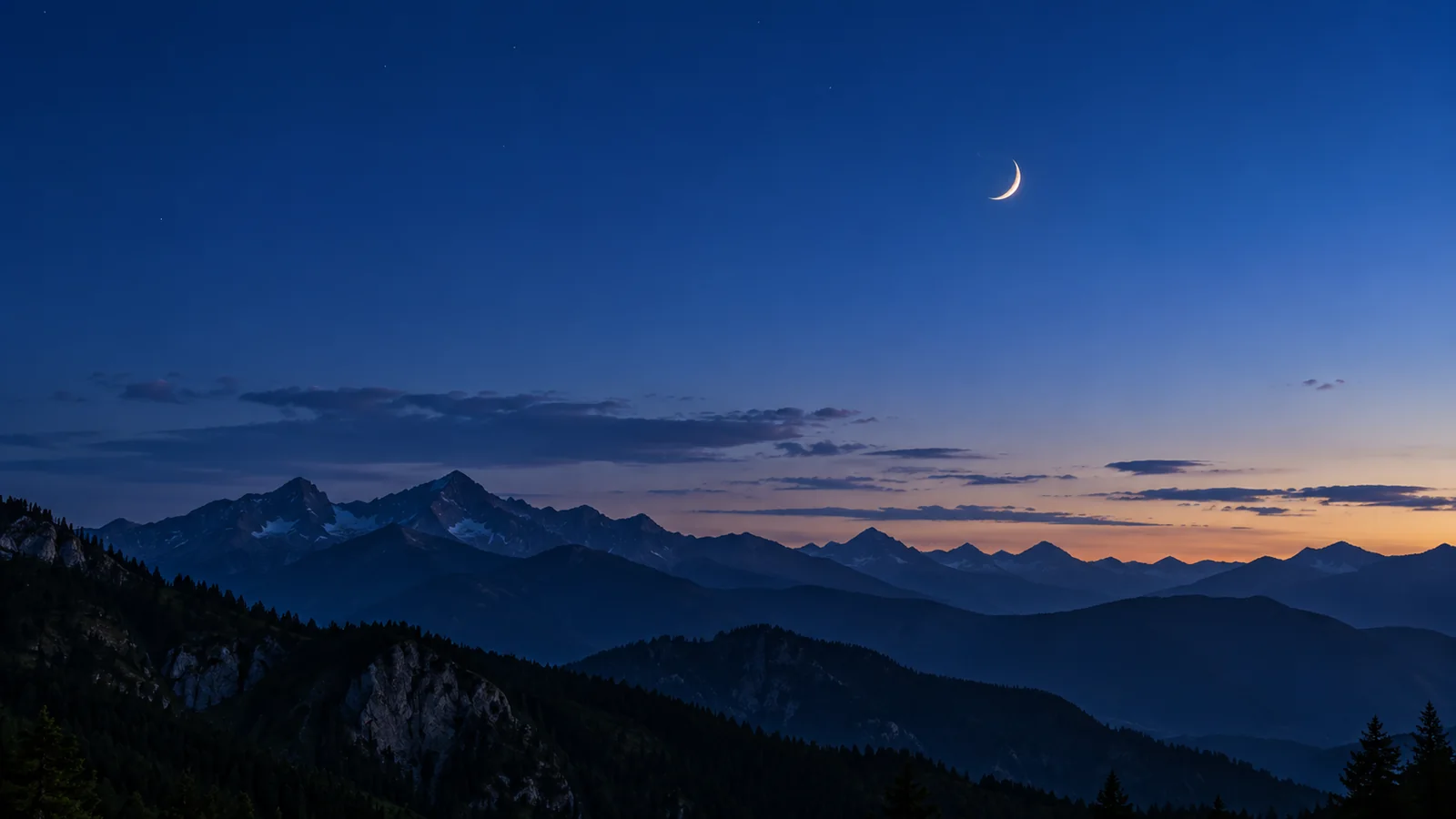
Cool twilight before sunrise or after sunset, with the Sun below the horizon.

Plan the transition
Arrive early for golden light; stay into twilight if you want cooler skies and city lights.
Compare the two light windows
| Feature | Golden hour | Blue hour |
|---|---|---|
| Typical look | Warm sunlight and long shadows | Cool sky and indirect twilight |
| Sun position | Near the horizon | Below the horizon |
| Useful subjects | Portraits, landscapes, side lighting | Skylines, architecture, light trails |
| Planning need | Check sunlight direction and obstructions | Allow for less light and slower exposures |
Why timing and appearance can change
Solar calculations describe geometry. Your view also depends on the landscape and atmosphere.
Latitude
The Sun crosses the horizon at different angles. At higher latitudes, low-light transitions can last much longer.
Season
The Sun’s path changes through the year. Some high-latitude dates do not contain every light interval.
Terrain and buildings
A ridge or tall building can hide direct sunlight before the calculated sunset over an open horizon.
Weather
Clouds can diffuse or block sunlight. Check conditions, not just the predicted start and end times.
How SkyAndTime estimates these windows
On Sun & Moon, golden-hour times use solar altitude from 4° below to 6° above the horizon. Blue hour uses 6° to 4° below. These are practical calculation conventions, not universal definitions of how a photograph will look.
The sunrise and sunset guide explains the larger seasonal pattern. Clock changes can shift displayed times without changing the actual light.
How to plan a golden-hour outing
Choose the view first, then plan the timing around it.
Confirm place and date
Use Sun & Moon for the location you will visit, not your home city.
Arrive before the window
Give yourself time to find a viewpoint and set up. Morning light grows brighter; evening light fades.
Look at the direction
Front light, side light, and backlight produce different effects. A west-facing view is not interchangeable with an east-facing one.
Check conditions and your return
Review Weather, and allow for the route back after sunset. Carry appropriate lighting if you will be out after dark.
For a lakeside photo, try a frame during warm light and another during blue hour. Keep the location the same and notice the changes in shadows, sky color, and the exposure your camera needs.
Frequently asked questions
Is golden hour always better in the morning?
Neither morning nor evening is universally better. Light direction, cloud cover, access, and your subject matter more than the label. Morning becomes brighter while evening becomes darker.
Can there be golden hour on a cloudy day?
The Sun still passes through the calculated low-angle window, but clouds may hide the direct warm light. Breaks in cloud or diffused light can still make useful photographs.
Is blue hour the same as golden hour?
No. Blue hour describes cooler twilight with the Sun below the horizon. Golden hour emphasizes warm light near sunrise or sunset. Definitions and exact boundaries vary.
Sources & further reading
Official educational references checked September 27, 2026. Examples are illustrative, not live forecasts.